
Sustainya Academy
Coaching
At Sustainya Planning, we believe leadership is not just about position; it’s about purpose, growth, and reflection. Whether you’re a young planner stepping into leadership, or a team navigating complex social change, our coaching services are designed to unlock clarity, confidence, and collaboration.

Individual Coaching - The Ganz Model
Rooted in the work of Marshall Ganz, our individual coaching helps planners, professionals, and changemakers explore their Public Narrative, the story of self, us, and now. This model supports leaders in understanding:
- Why am I called to lead? (story of self)
- Who is my community, and what do we share? (story of us)
- What urgent challenge are we facing together? (story of now)
Our coaching journeys help individuals:
- Build authentic leadership grounded in values and lived experience
- Communicate with greater emotional clarity and strategic intent
- Move from reactive leadership to purpose-driven action
Team Coaching
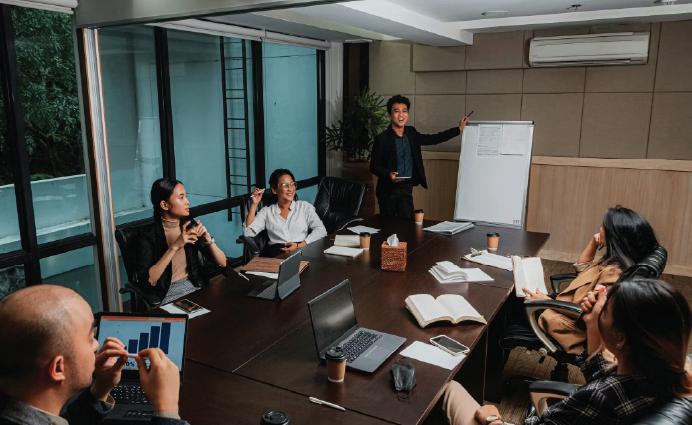
Planning is a team sport. Whether you’re a municipal department, a non-profit team, or an interdisciplinary project group, our team coaching process helps:
- Surface unspoken assumptions and communication blocks
- Foster psychological safety, trust, and mutual accountability
- Align your team’s purpose, processes, and relationships
- Strengthen your culture in times of change or rapid growth
Team coaching can be integrated into strategic planning, organizational change, or capacity-building initiatives.
Workshops & Training
At Sustainya Planning, we offer high-impact workshops and training sessions designed to build leadership capacity, foster ethical and inclusive practice, and strengthen team culture within the built environment sector. Our programs are tailored for public and private sector professionals, planners, project managers, and organizational leaders working at the intersection of infrastructure, policy, and community development.

Executive Leadership for Built Environment Professionals
These workshops are designed for senior managers, public officials, and technical leaders looking to deepen their leadership capacity in the context of planning, infrastructure, and sustainability.
Topics Include
- Strategic Leadership in Urban and Rural Development
- Leading in Policy and Planning Contexts
- Inclusive Leadership and Decision-Making
- Public Sector Leadership and Political Acumen
- Change Management and Innovation for Cities and Regions
- Ethical and Accountable Leadership in Development Projects

Leadership for Emerging Planners
Aimed at early-career professionals transitioning into leadership roles or managing projects for the first time.
Key Topics
- Self-leadership and reflective practice
- Leading from the middle
- Building influence without formal authority
- Emotional intelligence and stakeholder relationships

Planning for Mental Health and Well-being
Bridges urban design and mental health by showing how the built environment influences emotional and social well-being.
Key Topics
- Designing spaces for healing and inclusion
- Planning for vulnerable populations
- Integrating wellness into housing, parks, and public facilities
- Trauma-informed planning practices
Business Ethics for Built Environment Professionals
A focused ethics series tailored to architects, planners, engineers, real estate developers, and consultants operating in complex planning and development environments.
Topics Include
- Understanding professional responsibility in the built environment
- Recognizing and navigating ethical dilemmas
- Navigating conflicts of interest and client advocacy
- Codes of conduct in planning professions
- Ethics in land use decisions, public engagement, and urban equity
- Community trust vs. developer interests
- Environmental ethics and sustainability
- Anti-corruption, procurement integrity, and public trust
- Case-based learning (e.g., The Parable of the Sadhu; Ralph’s Dilemma, current professional scenarios, Case studies of ethical conflicts in real projects)
Group / Organizational Narrative Analysis
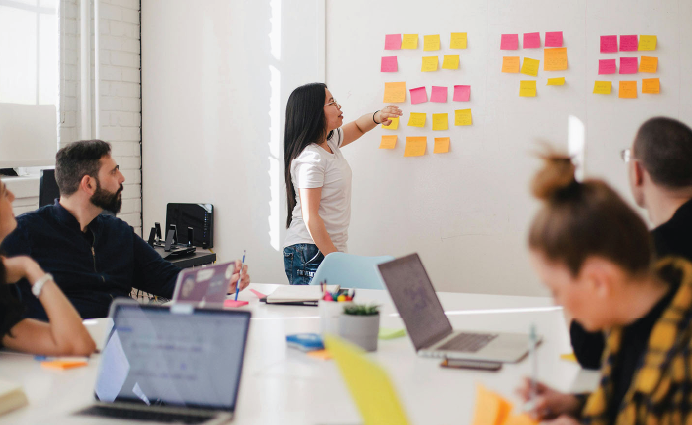
Organizations carry stories about success, failure, identity, and change. This workshop utilizes narrative inquiry to surface, reflect on, and realign an organization’s purpose.
What Participants Will Learn
- Tools for uncovering the “unspoken” organizational story
- Identifying narratives that support or sabotage your mission
- Reflective facilitation for leadership teams
- Rewriting your group narrative for alignment and cohesion
- Applications in branding, strategy, and employee engagement

Nurturing Psychological Safety for Thriving Teams
Psychological safety is a cornerstone of high-performing, innovative, and inclusive teams. This session blends research with interactive exercises to build safer professional environments.
Key Learning Areas
- Understanding psychological safety and its impact on team culture
- Identifying patterns of exclusion, silence, or mistrust
- Strategies for inclusive leadership and feedback culture
- Building norms of curiosity, error-embracing, and mutual respect
- Applying insights in planning, design, and policy teams
Inclusive and Equitable Planning Practices
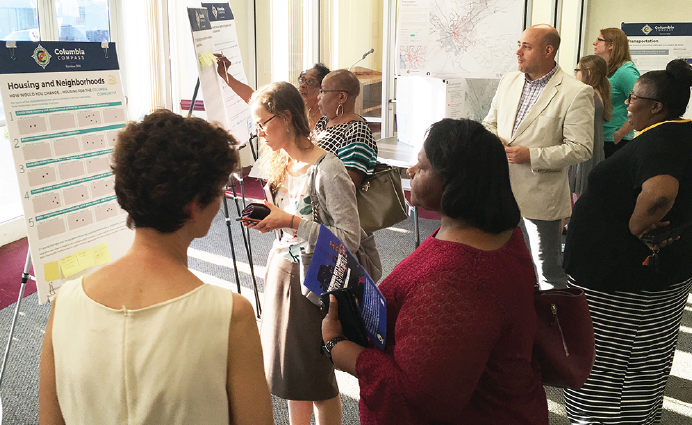
Equip professionals with tools to recognize and address systemic bias, spatial inequities, and community exclusion in planning.
Key Topics
- Equity audits and spatial justice
- Inclusive consultation and engagement
- Designing for marginalized populations (e.g., persons with disabilities, Indigenous communities, low-income residents)
- Integrating GBA+ and GSIA frameworks into planning

Policy Design and Public Interest Planning
For professionals working with or within government to design policies that are responsive, participatory, and technically sound.
Key Topics
- Policy analysis and theory of change
- Local vs. national planning frameworks
- Using research to influence planning legislation
- Writing clear, defensible planning briefs and reports

Resilient Cities and Climate-Smart Communities
Designed for planners, engineers, and decision-makers responding to climate risk, adaptation, and sustainability goals.
Key Topics
- Urban resilience frameworks (e.g., 100RC, UN-Habitat models)
- Integrating climate adaptation into land use planning
- Nature-based solutions and ecosystem-based adaptation
- Planning for disaster risk reduction and emergency preparedness

Facilitation and Stakeholder Engagement Skills
For professionals who lead public consultations, town halls, or internal decision-making processes.
Key Topics
- Designing and facilitating inclusive engagement sessions
- Managing conflict and divergent viewpoints
- Online engagement tools and hybrid models
- Building trust and legitimacy in participatory planning

Strategic Communications for Planners
Planning isn’t just technical, it’s narrative. This training helps professionals communicate complex planning issues clearly and persuasively to the public, stakeholders, and media.
Key Topics
- Writing public-facing planning documents and executive summaries
- Speaking to media, councils, and funders
- Using visuals, data storytelling, and infographics
- Message framing for contentious planning issues

Organizational Strategy and Theory of Change
Helps planning departments, NGOs, and social impact teams align their operations with a bigger vision and measurable goals.
Key Topics
- Visioning and strategic alignment
- Building a Theory of Change model
- Strategic planning cycle and KPI development
- Creating adaptive and resilient organizations